
End of Life Planning is an Act of Love
Death Literacy: Why Planning for the End is an Act of Love
When my father-in-law died, he left a folder on his computer called "Marty's funeral." It included a guest list, a photo slideshow, a music playlist, and special friends he wanted to have speak at his service. At the time, I remember thinking it was a little over the top, but his wife and only son were so appreciative of all the information and direction. While immersed in grief, they had clear steps to memorialize and celebrate Marty's life.
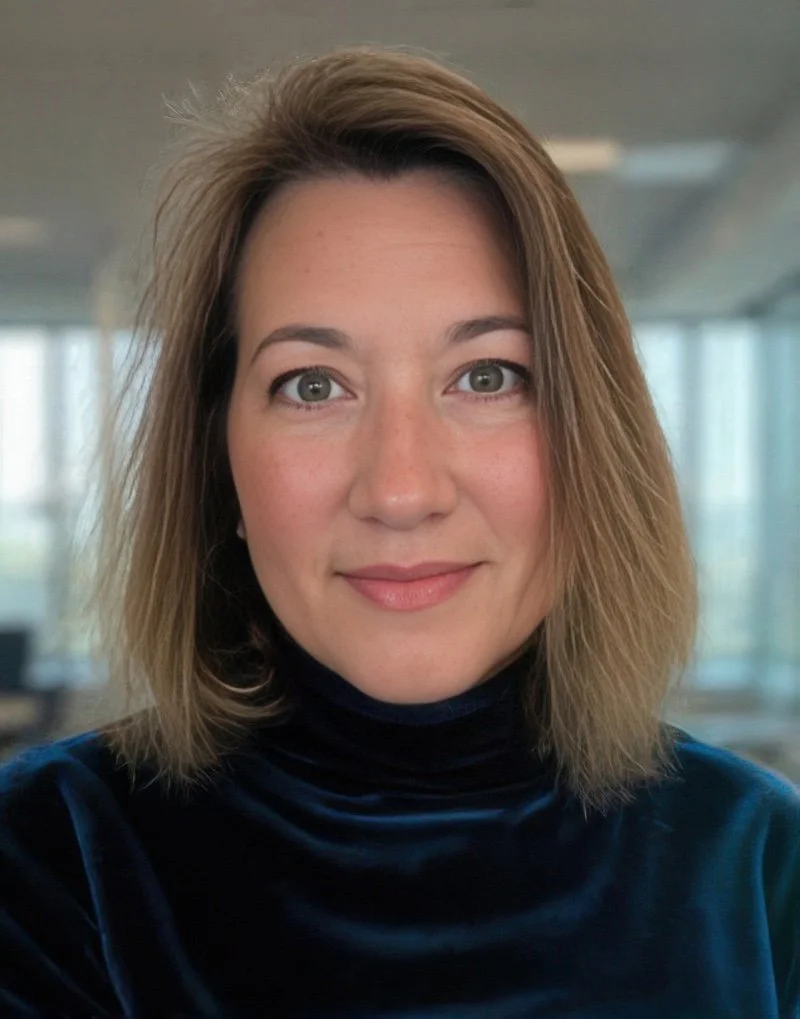
Dr. Susan Abernethy of Mundaca Healing
Not everyone leaves behind a folder. Most of us leave behind questions, guesswork, and grief with no roadmap. It's exactly that gap that led Dr. Susan Abernethy to found Mudança Healing. A trained primary care physician and passionate advocate for death literacy, Dr. Susan believes that access to end-of-life knowledge is a health equity issue. She hosts workshops, "Wine About Death" chats, one-on-one death planning sessions, and offers in-person doula care for end-of-life transitions. After moving from the Portland metro area to North Cove in 2019 with her partner, she now serves on the Pacific County Health and Human Services Advisory Board and as Commissioner for South Beach Parks and Recreation.
Her path to this work began long before Mudança Healing came to life in 2026. During her time as CEO of a Make-A-Wish chapter, she witnessed something that stayed with her: children facing terminal illness often seemed to process what was happening to them with far more clarity and grace than the adults around them. "The seed was planted, and I knew that someday I really wanted to get to do this full-time," she says.
At the heart of her practice is the role of end-of-life doula, a concept that's still unfamiliar to many. At its core, it's about accompanying the person who is dying and meeting them exactly where they are. "What does the person who is dying need? What are they struggling with? How can they be supported?" are some of the questions Dr. Susan asks. “For some, that means tending to legacy, finishing a project, healing a family rift, or simply being heard.”
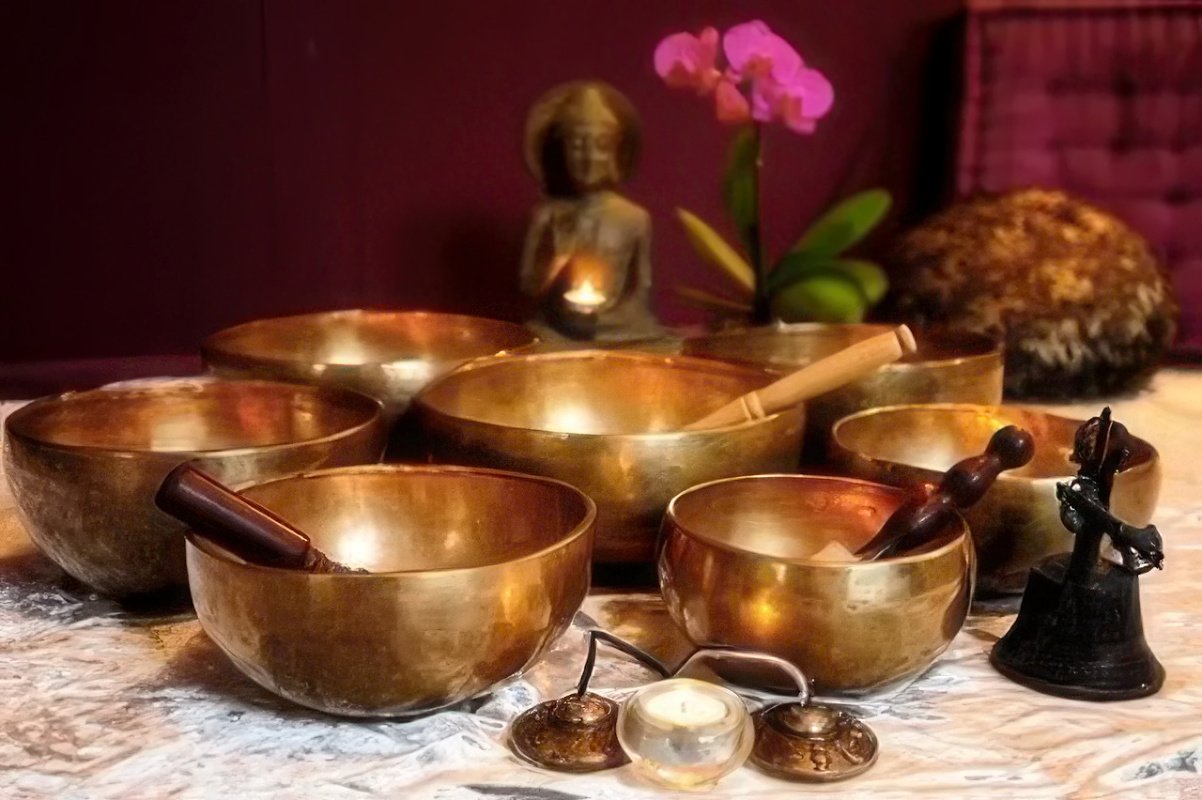
Dr. Susan Abernethy uses musical therapy for end of life transitions.
Her work can mean bedside care in the final weeks, operating alongside hospice, and supporting families through the immediate aftermath of a loved one's passing. She helps families navigate those first tender hours, whether they need time to say goodbye, to hold a ritual, or to coordinate family members traveling from afar. She also weaves in music therapy, singing bowls, and botanical medicine, tools she's found invaluable for people in agitated or distressed states.
Perhaps her most urgent message is about autonomy. "What I really hope people understand is that you have autonomy and a say in how you want your care to look. At any point in time, if you decide this is too much and want another course of treatment, there are options for what treatment looks like." And despite what many fear, simply speaking about death doesn't bring it closer. It can actually deepen how you live. Talking about it helps you live more fully,” says Dr. Susan. “You appreciate the moment and the present. If you have the peace of mind of knowing what's coming, it can help you shift into being more present in the now." She believes that normalizing conversations about choice, opportunity, and legacy is one of the most loving things we can do for the people we'll someday leave behind.
Part of that autonomy extends to what happens to your body after you die, and Dr. Susan wants people to know they have far more options than they might think. Beyond traditional in-ground burial and cremation, there is green burial, where the body is returned to the earth without embalming or a vault. Aquamation uses water instead of flame to achieve the same result as cremation, but with a much smaller environmental footprint. Human composting, now legal in several states, transforms the body into soil. “You can even become part of a coral reef upon death,” says Dr. Susan.
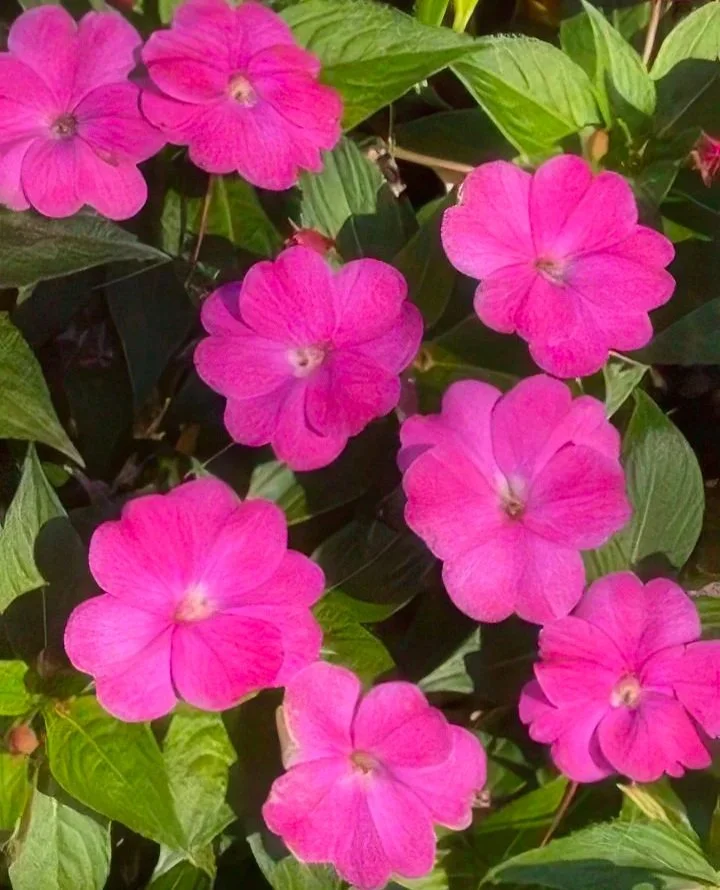
Dr. Susan Abernethy uses botanical medicine to help the dying.
None of those choices is easy to make alone, and that's where Dr. Susan's approach to her work sets her apart. When sitting with someone whose beliefs or experiences differ from her own, she leans on active listening and a clear sense of what belongs to her and what belongs to the person in front of her. "There are a lot of big things we carry with us at the end: regret, unfinished business, guilt, and shame. If I feel something coming up, I have to realize that's a me thing. I need to check that bias at the door."
Dr. Susan believes that the more people talk about death, the more normal it will be. And honestly, settling a loved one's estate after death involves many details, a lot of paperwork, and often leaves many questions unanswered. For anyone curious about where to begin, Dr. Susan keeps the door wide open. She offers free 20 to 30-minute introductory phone calls and hosts her "Wine About Death" events at Westhaven Wines in Westport or online via Zoom, a low-stakes, one-hour space to ask whatever questions you have, or simply listen. "You can be perfectly healthy, or caring for a loved one, or have a diagnosis you're worrying about." For those ready to start the conversation, Dr. Susan is just a phone call away.
Marty, it turns out, was onto something. At the time, I remember thinking my father-in-law, who was quite charismatic, was still trying to be the star of his own show even from beyond the grave. But what he really did was a giant act of love and consideration for those of us he left behind. He made one of the hardest moments of his family's life a little easier.
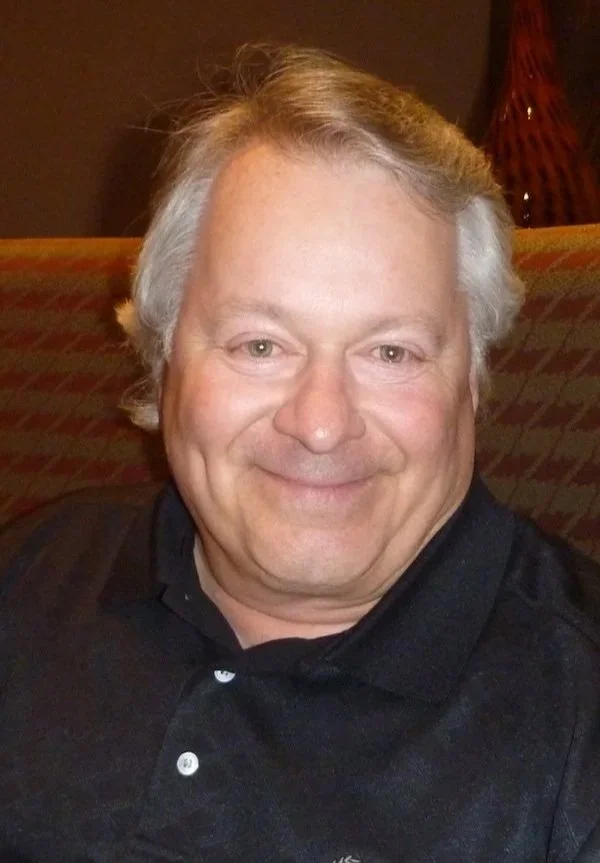
Marty Weber, 1949-2017, may he rest in peace.
-Written by Anne Beasley